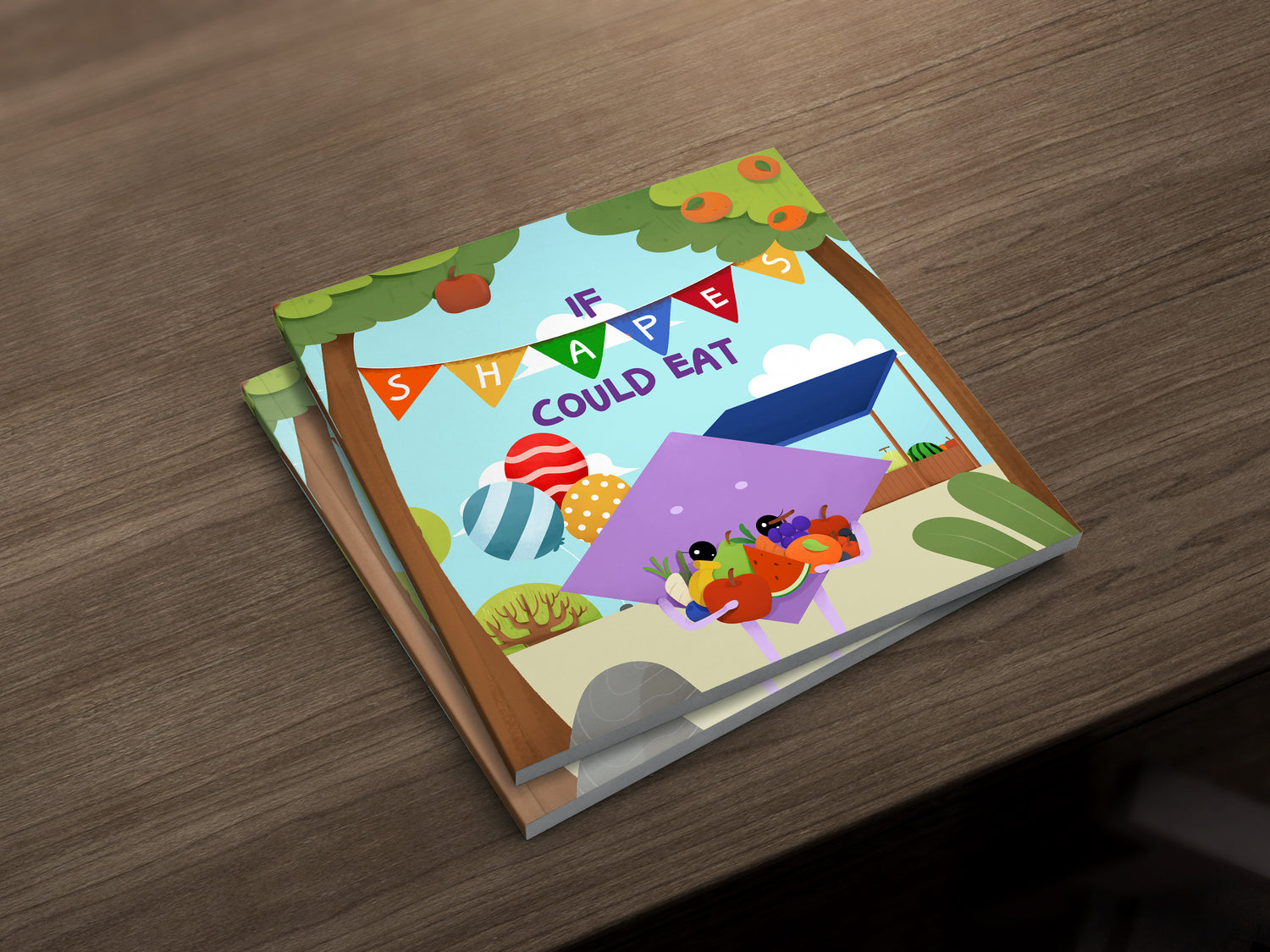

It can be argued that picture books help kids with almost everything they need for college life. Any college kid will be better prepared for life on campus and the responsibility of being a young adult with some of the soft skills that children’s books often teach. But what are these, and how do they help? From helping children learn to analyze an issue to critical visualization, there are many ways that can help children as they mature. So, here are a few examples they may learn.
Modeling the Problem and Solution
One of the first introductions we have to problems and solutions is through picture books. They often have a narrative that is easy to follow with clear instructions that children can easily understand. Because of this, they are excellent for introductory learning. These early resources are excellent for older people as they help develop the reasoning abilities needed for college life. The College Investor also has a ton of resources students can use to develop further skills.
Picture Books Help Kids Analyze an Issue
Around 44% of new college students struggle to adapt to life on campus and their new responsibilities. From a young age, children develop analysis skills, but they need to be sharpened and honed to make better use of them. Picture books from a young age help:
- The mystery narratives of most picture books encourage a detective-like confidence.
- Children will learn to question things so they can begin to form a solution.
- They also learn the practice of identifying issues and predicting outcomes.
Creative and Divergent Thinking
One of the most sought-after soft skills is thinking outside the box. This doesn’t come naturally to everyone, but it is extremely valuable. Picture books in general often depict characters facing a range of issues that need to be solved. To do this, they usually have to think quickly and find unconventional or imaginative solutions. This is an obvious advantage as there isn’t always a clear way forward when working on a project, and college students are often faced with this.
Perseverance and Resilience
Children are not usually taught that failure is an option. With too much emphasis on winning, the objectives of a project can become unclear. However, picture books try to teach children that it is okay to fail. Usually, it will take a character multiple attempts to reach a solution. And along the way, they don’t fail; they learn the many ways that something cannot be done. This is an obvious advantage for college kids who can make it harder on themselves by trying to be perfect.
Picture Books Help Kids with Empathy
A 2021 U-Belong survey found that 21% of new college students find it hard to make friends. However, instilling independence in young children has many benefits, including empathy. Empathy is a vital tool as it allows us to explore fear, exclusion, and disagreement, and manage these feelings in a mature way, and picture books are often a child’s first introduction to this.
Navigating issues
The characters in picture books often have issues to resolve. The imagery of these books can have a profound impact that lasts, helping young adults remember to deal with their problems.
Communicating feelings
Challenges often occur because we don’t know how to communicate well. Many picture book stories convey the importance of speaking to others with respect and consideration.
Working together
Collaboration is a major skill and requirement of college life. Some of the stories children read in picture books demonstrate how to work together and the excellent results that come from it.
If you think about your favorite picture books from childhood, they probably have profound imagery that you can instantly recall. By seeing beloved characters navigate situational issues, you probably learned how to empathize more, resulting in stronger prosocial skills you use today.
Introducing Collaborative Strategies
Working together is a major part of college life. When children are not taught how to get along or about the benefits of teamwork, it can be much harder for them to adapt to college life and some careers later on. If children read picture books, they might be introduced to characters who work as a team to find solutions to complex problems. This can be highly beneficial from a young age as it demonstrates that teamwork and accepting support are a part of problem-solving.
Connecting to Real Life Examples
There are many challenges that children face even from a very young age. Without proper guidance, they might lack the ability to solve problems later on. One of the ways picture books teach independence and problem-solving is by demonstrating real-world examples. A lost toy, a strange feeling, or even the need to create are explored and handled in various ways in picture books. This helps us learn how to apply strategies we see to handling our own lives as adults.
Picture Books Help Kids Visualize
Research by Athentis found that 76% of leaders across many sectors use visualization as a tool for results. But what happens if you cannot process the steps for a successful outcome? Picture books are a great introduction to visualization at an early age that college kids can still use:
- With visualization techniques, larger and complex problems can be broken down.
- You can also see potential problems and challenges from another angle.
- It becomes easier to conceptualize a plan and improve your spatial reasoning.
Emotional Regulation Guidance
Children and, indeed, adults will feel certain ways when facing a problem. Fear, anger, and frustration are perfect examples. Picture books are excellent at showing children how to deal with specific emotions and guiding them through them. For example, they often show strong characters dealing with emotions in certain ways. This could include taking a breath or asking someone else for the comfort they need to address feelings before solving the problem.
Summary
Modeling a problem through to a solution is one powerful way that picture books help kids with problem-solving. The kind of problem-solving they will need for college. They also help kids understand empathy and can assist with the regulation of emotions, and guide them through.